Knowing when the best time to prune trees and shrubs isn’t about having a green thumb or a horticulture degree — though it certainly helps. Tree pruning does more than keep trees tidy. It’s essential to support their long-term health, growth, and productivity. You may be nurturing a hobby orchard in a sprawling backyard, shaping ornamental shrubs in your courtyard, or caring for towering gums to ensure safety during storm season.
Knowing when to prune trees in Australia is critical. As professional arborists, we know how to time pruning to foster a tree that thrives rather than one that struggles. We’ve put together this guide for Australian gardeners and landscapers, covering everything from citrus and stone fruit to olives, figs and flowering ornamentals.
In the humid subtropical climate of South East Queensland, pruning tips may differ from those in other parts of Australia. So the right season to prune depends on the type of tree, its stage of growth, and your location in Australia. Prune at the wrong time, and you risk stunting growth, spreading disease, or missing out on next year’s fruit. To encourage strong structure, vibrant blooms, and abundant fruit harvests, our arborists guide you through the best times to prune trees in Australia.
Choosing the right time to prune in a particular tree species’ blossoming cycle is imperative. Pruning impacts growth, flowering, fruiting and overall tree health. The risks of pruning at the wrong time include:
Note: In subtropical regions, such as SEQ, trees may not go entirely dormant, so pruning times can differ from those in southern states. So knowing when it’s too late to prune fruit trees is essential.
Australia’s ‘wide brown land’ is also known for its verdant green pastures, alpine landscapes and subtropical rainforests. The nation’s climate zones make up tropical, subtropical, temperate and arid regions, hence the vast sunburned reference. Whether you want to know when to prune citrus trees or if you’re pruning apricot trees, timing is crucial.
Knowing when to prune your orange trees in Australia vs your mulberry tree will make all the difference. Varying fruit trees respond well to pruning at different times of the year.
Apricot trees are best pruned in late summer to early autumn. Avoid pruning in winter, especially in humid climate, as this can increase the risk of fungal disease.
Prune plum trees in summer after fruiting. This helps to balance growth and increase fruit production in the following harvest season.
Cherry trees benefit from light summer pruning to improve airflow and reduce disease. When it’s too late to prune trees is during a wet winter—wait until spring or summer, when the tree is actively growing and can heal more quickly.
Apples are typically pruned in winter while the tree is dormant, which helps establish the tree’s structure. If you see that it’s necessary, a light summer prune can keep growth in check.
Pear trees follow much the same rules as apples. Winter pruning shapes the tree, while summer pruning helps balance growth and fruit.
Citrus respond best to pruning in late winter to early spring, just after the harvest and before new growth starts.
Oranges can be pruned after fruiting, with the timing depending on your local climate. In Queensland, prune in late winter after the harvest, while in cooler states like Victoria, it is best to wait until early spring.
Olive trees should be pruned in late winter or early spring, just before new growth begins.
Pomegranates are best pruned in late winter, when they are dormant.
The beautiful and iconic Moreton Bay Figs lining Australia’s east coast are very different from Ficus carica, the edible fruit-bearing tree. Both are from the larger Ficus genus, and they are both pruned during the dormant season, but for different reasons. Moretons are pruned for shape and light penetration in late winter to early spring before new growth starts. A light summer tip prune can also help manage shape. Edible figs are pruned to encourage new growth for fruiting.
Prune mango trees after their harvest and before flowering. This timing helps prepare the tree for the next season’s fruit set.
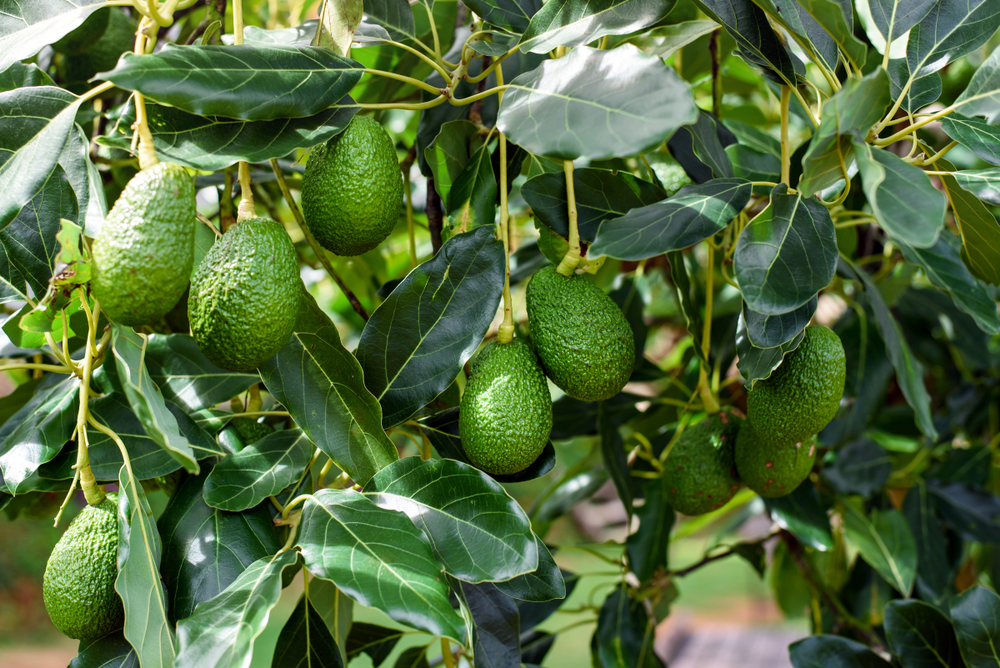
Avocados are best pruned after fruiting and before the spring flush of new growth.
Flowering shrubs, such as the weeping cherry tree and grevilleas, which require minimal pruning, and the banksia, bottlebrush, or melaleuca, which like lots of pruning, add a dash of colour and exquisite foliage to create a flourishing focal point in your garden. If your yard features the stunning jacaranda tree, knowing when to prune deciduous trees is essential. Jacaranda is a South American native that requires winter pruning while it is dormant, so that it can bloom with its stunning violet-coloured flowers once spring arrives. Tropicals like the gorgeously fragrant frangipani respond well to pruning in late winter to early spring before new growth sprouts. In SEQ, evergreen ornamentals can be shaped almost year-round, but avoid extreme summer heat spells to minimise stress on the plant.
Note: It’s important to remember that unless winter pruning is recommended, trees are less active in winter, so cuts will seal more slowly. Typically, there is more moisture from rain, so winter pruning against the trees’ type poses a greater risk of infection.
Successful pruning starts with the proper technique and the correct tools. Always use sharp, clean tools to make neat cuts that heal quickly. Dull blades risk tearing the bark and leaving trees vulnerable to pests and disease. A small sharpener and a sterilising spray bottle (70% water, 30% methylated spirits) are must-haves to keep your gear in top shape and prevent cross-contamination.
For day-to-day jobs, invest in a quality pair of secateurs that you can use to cut finger-thick twigs, while large loppers are great for branches up to 50mm. Bigger limbs may need a hand saw or pruning saw, while a telescopic pruner helps you reach higher without a ladder. If you’re tackling larger jobs, a reciprocating saw is safer and quieter than a chainsaw, especially for hard-to-reach cuts.
No matter what pruning tools you’re using, avoid pruning in wet weather. Queensland’s humid summers increase the risk of fungal infections, so dry days are best for wound healing.
As you prune, step back and check the shape as you go. Spreader bars can gently guide branches into better angles for fruit production without heavy cutting. And finally, know the difference between a light trim and a hard prune—sometimes less is more when it comes to long-term tree health.
If you’re not sure when the best time is to prune trees and shrubs, trust the experts at Arbor Operations. Structurally complex and large trees can pose major safety risks, and improper cutting may cause ongoing damage. Our qualified arborists will visit the site to assess the tree, bringing the right skills, tools, and care to every job — so your trees not only look their best but stay healthy for the long term. We offer local expertise that understands subtropical conditions.
Have trees that look like they need a trim? Contact us today, so our team can help your trees thrive year-round.
South East Queensland’s subtropical beauty comes with a wild side — one moment you’re admiring…
Planting trees is one of the most rewarding ways to enhance your garden, support local…
There's nothing like enjoying the shade of a tall tree on a hot summer afternoon.…