
How to Prepare Trees for Queensland’s Storm Season | Spot & Fix Tree Hazards
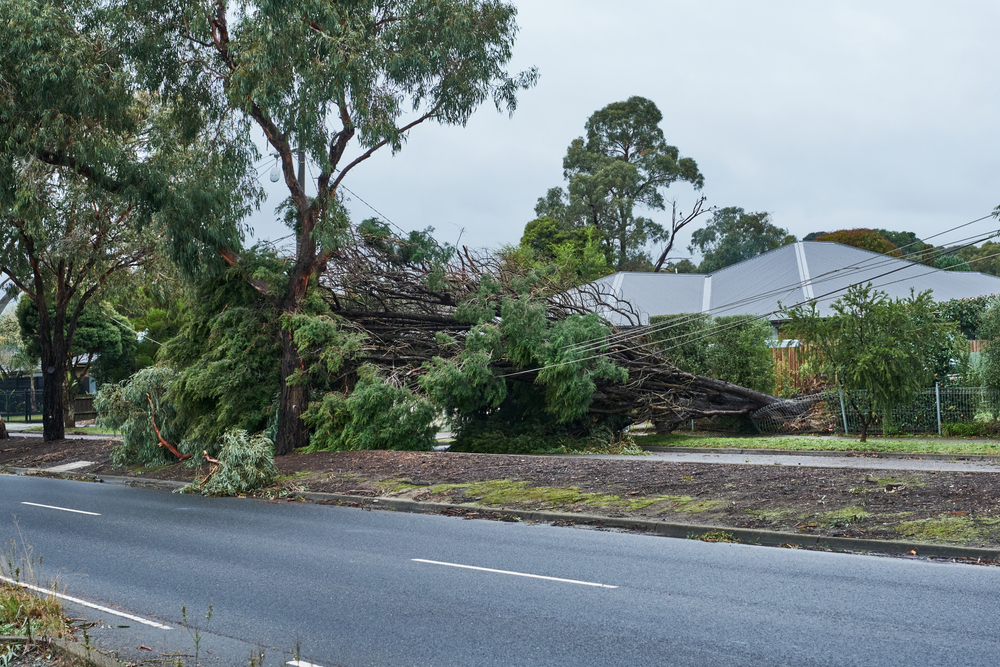
South East Queensland’s subtropical beauty comes with a wild side — one moment you’re admiring the canopy of jacarandas, the next you’re watching branches whip during a summer storm. While most homeowners focus on securing gutters and outdoor furniture, it’s often the trees that need the most support when storm clouds roll in. Strong, healthy, well-maintained trees are far less likely to shed limbs or topple — and that means fewer surprises when the winds pick up.
From November to April, Brisbane’s infamous storm season sweeps through, bringing fierce winds, heavy rain, and the occasional hailstorm. Even the sturdiest gum can struggle without care, but the good news? Most storm-related tree damage is preventable when you prepare your trees for storms and maintain them with regular care. Here’s how to look out for signs of trouble and keep a storm-ready yard to protect your family and property this season.
Understanding the Dangers of Storm Season
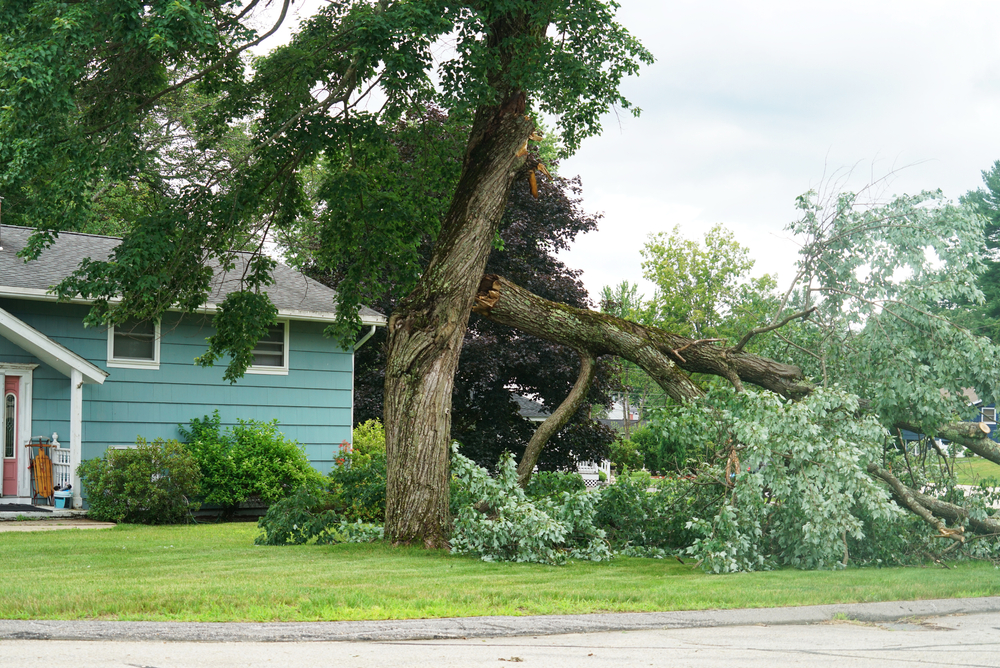
South East Queensland’s storms arrive fast and hit hard. High winds and soggy soil can challenge even the most established trees, especially those already under stress. A small crack in a limb or slight decay in the trunk may seem harmless, but once the weather turns, those weak spots can quickly worsen. By the time the Bureau of Meteorology issues a severe weather alert, it’s often too late, which is why early preparation and regular tree care hold the keys to your protection.
During severe weather, trees can:
- Drop large branches that can damage roofs, fences or vehicles,
- Dangerously topple over when root systems are compromised,
- Knock out power or telecommunications when branches bring down poles and powerlines or disrupt cables,
- Clog gutters and drains with leaves, increasing flood risk.
How To Prepare Trees For When Storm Season Hits
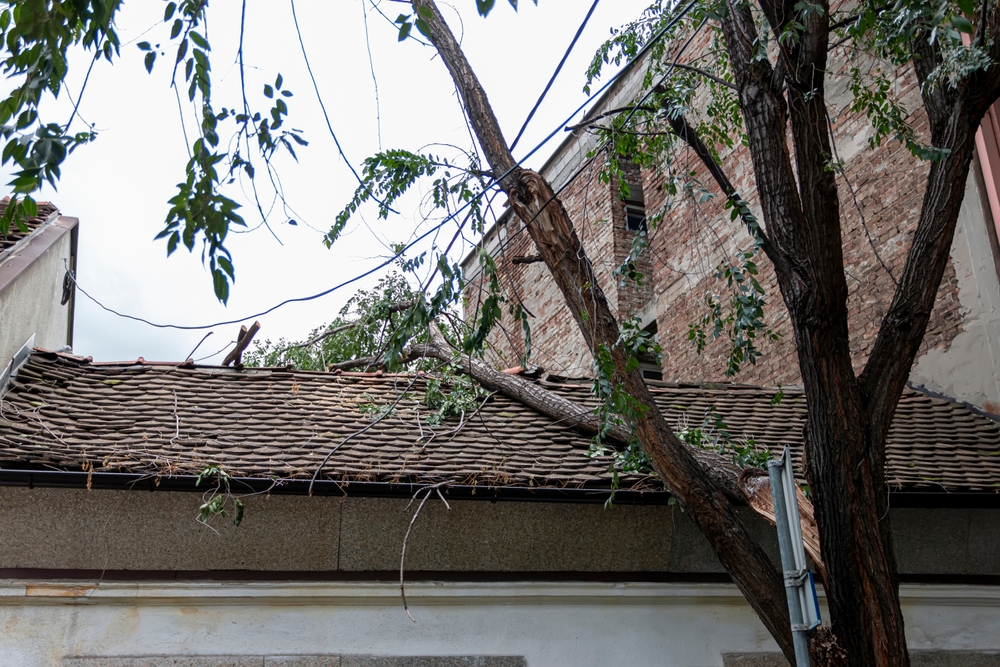
Depending on the extent of the tree damage or risk, and if there’s any height work, it pays to bring in the professionals. Our team of tree specialists have plenty of experience spotting tree hazards before a storm.
1. Schedule a Professional Tree Inspection
The best way to prepare your trees for Queensland’s storm season and to keep your trees and property safe all year round is to have them assessed by a qualified arborist. While a tree lopper can trim unwanted branches and foliage, only a trained arborist understands how to nurture tree health and structural integrity to keep the tree healthy and avoid further damage.
An arborist understands tree biology, structure and root health, and can identify risks that aren’t visible to an untrained eye. Regular inspections to prevent tree damage in storms are recommended, ideally at least once a year just before the start of storm season.
- During an inspection, your arborist will look for:
- Cracks or splits in the trunk and major limbs,
- Dead, diseased or decaying wood,
- Weak branch unions that may need cabling or bracing,
- Signs of root instability, such as lifting soil or exposed roots,
- Trees growing too close to roofs, fences or powerlines.
2. Know What to Look for Between Arborist Visits
Even with professional help, it pays to keep an eye on your trees throughout the year to assess for risk. If you notice any signs of stress, call our arborists to be on the safe side before the storms roll through.
Use our storm-season checklist for yard trees when looking for:
- Branches that all of sudden are noticeably hanging lower than usual,
- Trees with a lean to them or noticing freshly exposed roots,
- Hollow or soft areas on trunks and branches that feel weakened and mushy to the touch,
- Fungal growth or sawdust-like residue, which is typically a sign of decay or borers,
- Any branches touching roofs, powerlines or neighbouring structures.
3. Why It’s Better To Prune, Not Lop
It’s tempting to think that cutting back hard will protect your trees from high winds and heavy rains. But if you follow our arborist storm-season tips, you’ll see that tree lopping often does more harm than good. Lopping removes large sections of the canopy without considering structure or regrowth, which weakens the tree and leaves trees vulnerable to disease, decay, and instability. Pruning done the right way, with respect for seasonal growth, will strengthen the tree against breakages.
Instead, proper pruning by a qualified arborist focuses on:
- Removing dead or crossing branches to reduce wind resistance,
- Shaping the canopy to balance weight and improve airflow,
- Maintaining natural branch unions for long-term stability.
- Enhancing tree health to improve the safety of the tree, which is a win-win for homeowners and the environment.
4. Take Care of the Root Zone
A tree’s strength begins beneath the soil in its root system. Healthy roots anchor and nourish, giving trees the resilience to weather even the harshest storms. Avoid compacting soil, excavation or paving too close to the base, which can restrict root growth and destabilise trees during storms.
To protect the root zone:
- Avoid paving the base of the tree or parking vehicles under trees,
- Keep mulch around the base to maintain soil moisture,
- Young trees benefit from staking and anchoring to help develop strong root systems against high winds,
- Don’t overwater in the lead-up to a storm as waterlogged soil weakens the area around the roots, which are helping to keep the tree upright.
5. Create a Storm-Ready Yard
How to spot tree hazards before a storm is an essential party of your safety plan. A well-prepared property means far less clean-up of uprooted trees and fallen branches. So use this simple checklist as part of your broader storm-season plan:
- Clear gutters, downpipes and stormwater drains,
- Hire a licensed arborist to trim back vegetation near powerlines or structures that may pose risk of damage during a storm,
- Secure or store outdoor furniture, toys and pot plants,
- Check your roof for loose tiles or flashing,
- Review your insurance policy and keep emergency contacts somewhere you can find them easily,
- Prepare an emergency kit with essentials like torches, batteries, water and first-aid supplies.
Why Calling a Qualified Arborist Makes All the Difference
When it comes to tree safety, experience and knowledge of safety concerns makes all the difference when you’re about to face wild weather. Tree loppers may seem like a cheaper option, but they’re more likely to cut the most obvious foliage and branches, which may not be in favour of the tree’s overall health in the long term. Our qualified arborists work to Australian Standards and focuses on both safety and sustainability.
Professional arborists can:
- Assess overall tree health and structural integrity that may cause future hazard,
- Recommend corrective pruning, cabling or bracing where needed,
- Manage hazardous removals of tree waste safely and efficiently,
- Help maintain the long-term health of valuable shade trees.
Don’t Wait Until The Weather Turns
At Arbor Operations, our team of based arborists has proudly supported Queensland homeowners through countless storm seasons. From preventative maintenance to safety response, we’re here to help you protect what matters most.
If you’re unsure about the safety of a tree on your property, or you simply want peace of mind before the storms hit, reach out to Arbor Operations today.
📞 Call our qualified arborists for a pre-storm inspection on 1800 652 862 and get prepared for storm season.


